

One-on-One Attention
Your dog receives dedicated time with the sitter instead of sharing staff with a group, so the focus stays on your dog alone.
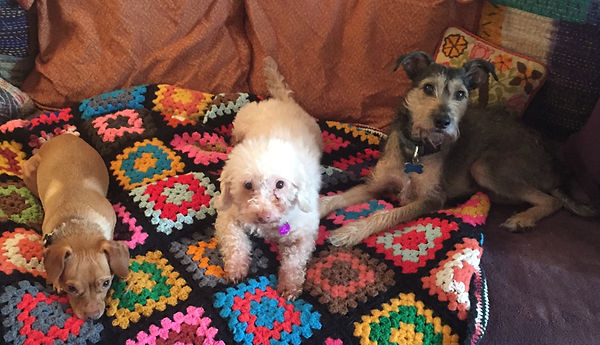
Pet sitting is offered either in your own home or at the trainer's home. Either way, your dog stays in a familiar household environment with a person focused solely on them for the duration of the visit or stay.
Regular routines are kept intact: meal times, walk schedules, and any feeding guidelines you provide are followed as written. This consistency helps your dog feel settled rather than disrupted.
Sitting at home avoids the stress many dogs experience with kennels or daycares, where group living and unfamiliar staff can add tension to an already sensitive animal.
Get in touch to discuss what your dog's days look like and what a sitting arrangement would involve.

Every arrangement is built around your dog's normal day, so nothing important changes while you are away.
Pet sitting is offered in either your own home or the trainer's home, so your dog remains in a familiar household environment while a caring person focuses on them for the duration of the visit. This approach reflects the same force-free, science-based philosophy applied in training: routines are kept intact, meal times and walk schedules stay consistent, and any feeding guidelines you provide are followed as written.
Continuity is what keeps a dog emotionally balanced while their parent is away. When schedules for food, potty breaks, exercise, and rest are preserved exactly, your dog feels settled rather than disrupted, which is especially important for puppies, reactive, or easily overwhelmed pets. The goal is to maintain the calm, low-stress household rhythm your dog already knows and enjoys.
Sitting at home also avoids the stress many dogs experience in unfamiliar kennels or boarding environments, where noise, unfamiliar smells, and other animals can trigger anxious or reactive behavior. Because your dog stays in a household where they already feel safe, they have room to rest, explore at their own pace, and receive the one-on-one attention that supports good manners and communication.
Pet sitting complements the puppy raising, obedience, and behavior modification work done in training sessions. A well-structured day of walks, feeding, and companionship gives your dog the mental and physical stimulation they need, while reinforcing the skills they have learned, from polite greetings to reliable cues. When care and training share the same positive reinforcement approach, dogs thrive and life at home becomes easier for everyone.
Your dog receives dedicated time with the sitter instead of sharing staff with a group, so the focus stays on your dog alone.

Meal times, walk schedules, and the feeding guidelines you share are followed as written, keeping your dog's day predictable.

Walks and regular company continue as usual, so your dog keeps the activity and companionship they are used to at home.
| Option | Setting | Best for |
|---|---|---|
| In your home | Your dog stays in the space they know best, with a sitter coming to them. | Dogs that are most comfortable and settled in their own surroundings. |
| Trainer's home | Your dog is hosted in a calm household setting with one-on-one attention. | Dogs comfortable with a change of location but not with kennel or daycare environments. |
Tell us about your dog's routine, feeding guidelines, and any sensitivities, and we'll plan around them. For sitting alongside training, see Behavior Modification and the full range of training services.